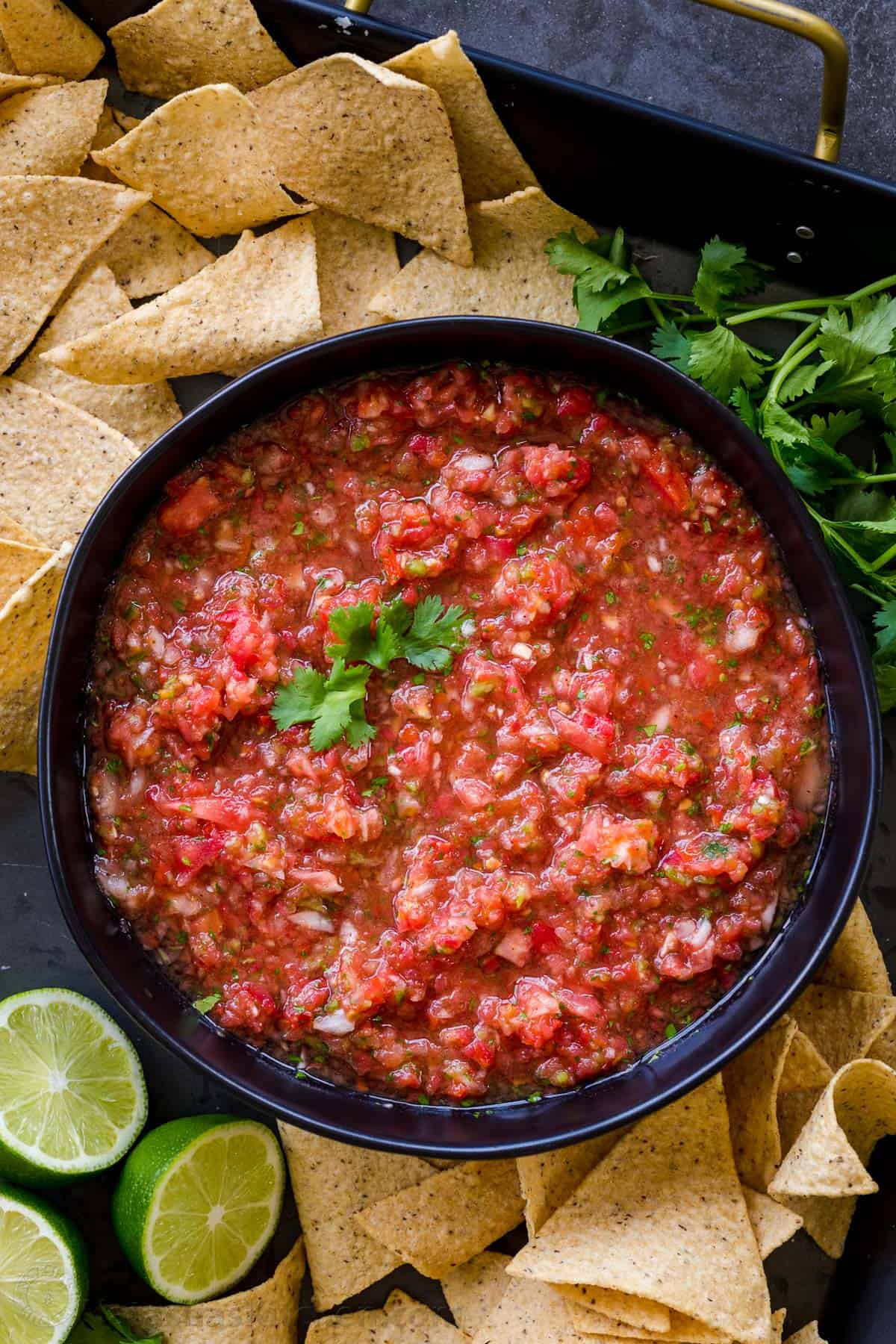
Master Fresh Homemade Salsa: Essential Ingredients & Tips
There’s an undeniable magic to a truly great salsa. It's the vibrant, zesty heart of so many delicious meals, from a simple chip dip to a transformative topping for tacos, nachos, and even grilled fish. While store-bought jars offer convenience, they simply can't compare to the explosive freshness and dynamic flavors of a truly
homemade salsa. If you've ever savored the nuanced, bright concoctions at an authentic taqueria or taco truck, you know exactly what we're talking about. This guide will equip you with the knowledge and confidence to create your own irresistible homemade salsa recipe, turning fresh ingredients into a culinary masterpiece that will have everyone asking for more.
The Unbeatable Appeal of Homemade Salsa
For anyone who’s spent time in a city with a thriving food scene, like Austin, Texas, the revelation often comes swift and clear: homemade salsa is in a league of its own. Every restaurant and taco truck proudly presents its unique take, showcasing a spectrum of flavors from smoky and spicy with dried chiles to gloriously fresh and zesty. This rich variety isn't just about different ingredients; it's about the vibrancy that comes from combining them right before serving.
The beauty of crafting your own salsa lies in the complete control you gain. You dictate the heat level, the texture, and the precise balance of sweet, savory, and acidic notes. Unlike their jarred counterparts, which often rely on preservatives and can taste flat or overly processed, fresh homemade salsa bursts with life. It's an experience that awakens your palate, offering a complexity and brightness that pre-packaged options simply cannot replicate. Once you master a foundational
homemade salsa recipe, you’ll likely find yourself experimenting with seasonal ingredients, adding roasted tomatillos in the fall or a different array of chiles in the winter, truly making it your own.
Essential Ingredients for Your Zesty Homemade Salsa Recipe
A truly great homemade salsa doesn't require a long list of obscure ingredients. Instead, it relies on a handful of high-quality, fresh components that work in harmony. Think of these as the building blocks for a simple, no-cook salsa that shines.
The Star: Fresh Tomatoes
Of course, a fresh tomato salsa starts with, well, fresh tomatoes! The choice of tomato significantly impacts the final texture and flavor. We highly recommend using
Roma tomatoes. Why Romas? They are meatier, with fewer seeds and less water content than typical salad tomatoes, which prevents your salsa from becoming watery and ensures a satisfyingly chunky consistency. If Romas aren't available, look for other varieties of small plum tomatoes or firm hothouse tomatoes that have a similar fleshy texture. When tomatoes are at their peak ripeness in the summer, their natural sweetness and acidity elevate the salsa to another level.
Aromatic Foundation: Onion & Garlic
These pungent powerhouses provide the crucial depth of flavor that anchors your salsa.
- Onion: A small amount of white or yellow onion adds a sharp, piquant kick. A crucial tip for mellowing its intensity – especially if you're sensitive to raw onion – is to rinse the chopped onion under cold running water for about 30 seconds before adding it to your food processor. This helps wash away some of the sulfur compounds responsible for its overly sharp taste, leaving you with a more pleasant, integrated flavor.
- Garlic: Just one clove (or two, if you're a garlic lover!) provides a warm, savory undertone that complements the freshness of the other ingredients.
The Bright & Zesty Duo: Lime Juice & Zest
Lime is non-negotiable for a vibrant salsa.
- Fresh Lime Juice: It’s the primary source of acidity, cutting through the richness of other flavors and providing that essential "zesty" punch. Always opt for fresh-squeezed juice; bottled lime juice simply can't compare in brightness.
- Lime Zest: Don't skip this! The zest contains concentrated essential oils that amplify the citrusy aroma and flavor, adding another layer of complexity that juice alone can't provide.
Heat and Herbaceousness: Jalapeño & Cilantro
These two define the classic fresh salsa profile.
- Jalapeño: This is where you control the heat! For a mild salsa, remove the seeds and white membranes (which hold most of the capsaicin, the compound responsible for heat) and start with half a jalapeño. For more kick, leave some or all of the seeds, or use a whole pepper. You can always add more, but you can’t take it away!
- Cilantro: Its distinctive, fresh, herbaceous flavor is a hallmark of authentic salsa. It also adds beautiful flecks of green, making your salsa visually appealing. While some people have a genetic predisposition to dislike cilantro (perceiving it as soapy), for most, it's an indispensable component.
Secret Enhancers: Cumin, Sugar, & Salt
These seemingly small additions play a monumental role in balancing and enhancing all the other flavors.
- Cumin: A pinch of ground cumin introduces an earthy, warm spice that adds depth and complexity, tying the fresh ingredients together with a subtle, smoky note.
- Sugar: Just a touch – a tiny pinch – is often the secret ingredient that truly brings a salsa together. It doesn't make the salsa sweet; rather, it balances the acidity of the tomatoes and lime, taming any sharp edges and allowing the other flavors to shine more brightly.
- Salt: The ultimate flavor enhancer. Salt doesn’t just make things salty; it makes all the individual flavors in your salsa pop and become more pronounced. Always season to taste!
Crafting Your Perfect Homemade Salsa: Step-by-Step
Making this fresh, no-cook salsa is incredibly straightforward, especially with the help of a food processor. The key is to achieve a chunky, rustic texture, not a smooth puree.
Prepping Your Aromatics
Start by preparing your onion and garlic. As mentioned, if you want to mellow the onion's bite, rinse the chopped onion under cold water and pat it dry. Place the rinsed onion and garlic clove(s) into your food processor. Pulse a few times until they are finely chopped but not pureed. This crucial first step ensures these tougher ingredients are properly broken down without over-processing the softer tomatoes later on.
Adding the Freshness
Next, add your diced Roma tomatoes, jalapeño (prepared to your desired spice level), fresh cilantro, lime juice, lime zest, ground cumin, a pinch of sugar, and salt to the food processor. Now, here's where the magic happens:
Pulse repeatedly in short bursts. Don't just turn it on and let it run. You want to pulse until all the ingredients are well combined, but still have visible chunks. The goal is a rustic texture, not a gazpacho-like soup. This typically takes anywhere from 5 to 10 pulses, depending on your food processor and desired chunkiness. Stop as soon as you reach the right consistency.
No Food Processor? No Problem!
If you don't have a food processor, you can still make this incredible
homemade salsa recipe!
- Blender Method: You can use a blender, but be even more careful with pulsing. Blenders tend to create smoother textures faster. Add ingredients gradually and pulse on a low setting, checking frequently.
- Manual Chopping (Pico de Gallo Style): For the most control over texture, finely dice all your ingredients by hand. This method yields a true pico de gallo or salsa fresca, characterized by its distinctly chunky composition. It takes a bit more time but offers a wonderfully fresh and vibrant result.
Once blended or chopped, taste your salsa. This is your chance to adjust! Need more spice? Add a bit more jalapeño or a pinch of cayenne. Want it zestier? Squeeze in more lime. A little too tart? Another tiny pinch of sugar can balance it. More salt? Go for it! Once perfected, transfer it to a bowl and get ready to enjoy.
Pro Tips for Your Best Homemade Salsa
Elevating your homemade salsa from good to unforgettable involves a few thoughtful considerations and techniques.
Master Your Spice Level
Everyone has a different tolerance for heat. Don't be afraid to customize!
- Start Small: When using jalapeños, always begin with half a chile and remove all seeds and membranes for a milder salsa.
- Taste as You Go: After pulsing, taste a small spoonful. If you desire more heat, you can always chop and add more jalapeño, or even a spicier chile like a serrano, and pulse again briefly.
- Consider Other Chiles: For a deeper, smoky flavor, especially when fresh tomatoes aren't in season, you might explore rehydrated dried chiles like anchos or chipotles, though this moves beyond the 'no-cook' recipe.
The Importance of Tasting and Adjusting
Beyond spice, always taste your salsa before serving. A good salsa is all about balance.
- Acidity: If it tastes a bit flat, a squeeze more lime juice can brighten everything up.
- Sweetness: If it's too tart or sharp, a tiny pinch more sugar can mellow it.
- Salt: If the flavors aren't quite popping, a touch more salt can make a world of difference.
Allowing your salsa to rest in the fridge for 15-30 minutes before serving can also help the flavors meld and deepen.
Storage and Longevity
This fresh homemade salsa is best enjoyed within 3 days. Store it in an airtight container in the refrigerator. While it rarely lasts that long in most households, proper storage ensures maximum freshness and flavor. Beyond tortilla chips, consider serving your salsa with eggs, grilled chicken or fish, spooned over baked potatoes, or even as a vibrant addition to salads.
Texture is Key
As emphasized, the beauty of this salsa is its chunky texture. Avoid over-processing at all costs! If you accidentally puree it, all is not lost – it can still be delicious as a sauce or base for a cold soup, but it won't be the rustic, chunky dip you initially aimed for. If you prefer an even chunkier experience, embrace the art of hand-chopping for a truly authentic pico de gallo.
Conclusion
Making your own homemade salsa is a culinary journey that promises incredible rewards. From the vibrant color to the explosive freshness, a truly great homemade salsa recipe is a testament to the power of simple, quality ingredients. It's not just a dip; it’s an experience – a lively celebration of flavor that brings warmth, zest, and a touch of summer to any table. So gather your fresh tomatoes, your fragrant herbs, and your trusty food processor, and prepare to elevate your meals with a salsa that’s infinitely better than anything you’ll find in a jar. Get ready for a zesty, bright, and utterly delicious creation that will disappear in a snap!